


Cambodia Insight
Cambodian Power Generation Landscape
Analyzing the intersection of infrastructure growth and energy demand in the region.
Cambodia is experiencing a period of rapid industrialization and urban expansion, particularly in hubs like Phnom Penh and Siem Reap. However, the national grid often struggles to keep pace with this growth, especially in the outskirts and rural provinces. This gap creates a critical dependence on decentralized power sources. For many local businesses, a diesel generator is not just a backup, but a primary energy source required to maintain basic operational continuity and protect assets from unstable voltage.
Recent trends show a shift toward higher technical specifications. While basic power was once sufficient, there is now an increasing demand for a 3 phase diesel generator to support industrial machinery and large-scale HVAC systems. Furthermore, environmental consciousness is rising, pushing operators toward "super-silent" models to comply with evolving urban noise ordinances and to improve the working environment for staff in commercial settings.
Despite these advancements, challenges remain in the form of fuel logistics and technical maintenance. The market is moving toward a preference for "prime power" solutions that offer a balance between fuel efficiency and ruggedness. Companies that can provide not only the hardware but also expert technical consultation are gaining a competitive edge, as Cambodian operators seek long-term partnerships rather than simple one-time product purchases.
Industry Path
Evolution of Diesel Power Technology
The journey from simple mechanical power to intelligent, efficient energy systems.
Early Phase
Mechanical Basics
Initial focus was on raw power output and basic durability. Generators were largely open-frame, noisy, and required manual synchronization and constant monitoring.
Growth Phase
Enclosure & Regulation
Introduction of canopy designs for noise reduction and AVR systems for voltage stability, allowing generators to power more sensitive electronic equipment safely.
Current Phase
Precision & Efficiency
Modern systems emphasize fuel economy, super-silent operation, and digital control interfaces for remote monitoring and optimized load management.
Integration of Hybrid Logic
There is a growing movement to integrate diesel generators with solar arrays in Cambodia, using the generator as a fail-safe to ensure 100% uptime while reducing daily diesel consumption through renewable energy.
Smart Load Balancing
Modern controllers now allow for automatic load sharing between multiple units, ensuring that no single generator is overloaded and that the system operates at its most efficient fuel-to-power ratio.
Advanced Emission Control
As global standards influence local imports, there is a trend toward engines that produce lower particulate matter, combining high torque with cleaner combustion cycles.
Future Outlook
Key Trends Shaping the Power Sector
Identifying the technological shifts that will define energy resilience in Southeast Asia.
Digitized Power Management
The adoption of IoT-enabled controllers allows operators to monitor fuel levels, engine health, and power output via smartphones, reducing the need for physical inspections in remote Cambodian sites.
Acoustic Engineering Focus
Increasing urban density in Cambodia is driving demand for super-silent enclosures that utilize active noise-cancellation principles and advanced absorbent materials to meet strict zoning laws.
Specialized Industrial Hybridization
Integrating diesel power with battery storage (BESS) to handle peak loads, allowing the generator to run at a constant, efficient speed, which reduces mechanical wear and fuel costs.
Multi-Fuel Capability
Exploring the use of biodiesel blends to reduce the carbon footprint of industrial operations without requiring a total overhaul of existing diesel engine infrastructure.
The shift toward intelligence is not merely about adding screens, but about increasing the reliability of the power loop. In Cambodia, where the cost of power failure can be catastrophic for cold-chain logistics or medical facilities, the trend is toward "predictive maintenance." By analyzing vibration and temperature data, operators can identify a failing component before it causes a shutdown, moving from reactive to proactive management.
Simultaneously, there is a critical emphasis on "right-sizing." Many operators previously over-purchased capacity, leading to "wet stacking" and inefficient fuel use. The current trend involves detailed load profiling to select the exact capacity—whether a 7kw generator for a small shop or a high-capacity unit for a factory—ensuring the engine operates within its optimal efficiency window.
Practical Use Cases
Application Scenarios in Cambodia
How our power solutions are deployed to solve real-world energy problems.
01
Remote Construction Sites in Kampong Speu
In regions where the electrical grid is non-existent, contractors rely on mobile diesel generators to power tower cranes and site offices. A robust, canopy-enclosed unit protects the engine from dust and rain, ensuring that critical project timelines are not delayed by power failures, effectively transforming a remote field into a functional workspace.
02
Urban Commercial Hubs in Phnom Penh
Retail centers and boutique hotels in the capital require silent backup power to avoid disturbing guests and neighbors. Deployment of super-silent generator sets allows these businesses to maintain air conditioning and lighting during grid outages without violating city noise ordinances, preserving the luxury customer experience.
03
Healthcare Clinics in Rural Provinces
Small medical clinics depend on constant power for vaccine refrigeration and basic diagnostic tools. A reliable 20kw diesel generator provides a critical safety net, ensuring that life-saving medications remain viable even during prolonged regional blackouts, where every minute of power is vital.
04
Agricultural Processing Plants in Battambang
Rice mills and processing plants require high-starting torque for heavy motors. Implementing a diesel welder generator provides a dual-purpose solution: supplying the power needed for production while providing the welding capacity required for immediate on-site machinery repairs.
05
Small Scale Retail and Cafes
For small-scale entrepreneurs running cafes or kiosks, a 7kw generator is often sufficient to keep refrigerators and POS systems running. This prevents inventory loss during short outages and ensures that sales can continue uninterrupted, protecting the daily cash flow of small businesses.
Operator Perspectives
Representative Deployment Contexts
Illustrative scenarios demonstrating the operational impact of our power systems.
In high-humidity environments, we often see generators fail due to overheating. A typical implementation of tropicalized cooling systems has shown to maintain stable engine temperatures during the hottest months, ensuring that production lines in the garment sector remain active without unplanned thermal shutdowns.
For urban hospitality, the challenge is balancing power needs with noise limits. The use of super-silent canopy technology allows for the placement of generators closer to the building without disturbing guests, providing a seamless transition from grid to backup power that is nearly imperceptible to the customer.
Operating in remote areas means maintenance must be simple. Standardized modular components allow local teams to perform essential servicing without needing specialized factory tools, which significantly reduces the average time to repair and ensures that remote site operations are not paralyzed by minor failures.
Our Heritage
Jiangsu Kaichen Power Equipment
Two decades of dedication to precision, innovation, and unwavering reliability in power generation.
Inception
Foundation of Engineering Excellence
Our journey began with a deep focus on mastering the engineering and manufacturing processes of diesel generators. We dedicated our early years to understanding the fundamental needs of power users across diverse sectors.
Evolution
Scaling Professional Expertise
Over a 20-year journey, we expanded our team to more than 200 professionals, including precision technicians and R&D engineers, allowing us to adapt our products to evolving global market demands.
Current
Global Power Partnership
Today, we provide a comprehensive range of standard, silent, and canopy-enclosed generator sets, committed to delivering uninterrupted power through a philosophy of integrity and relentless innovation.

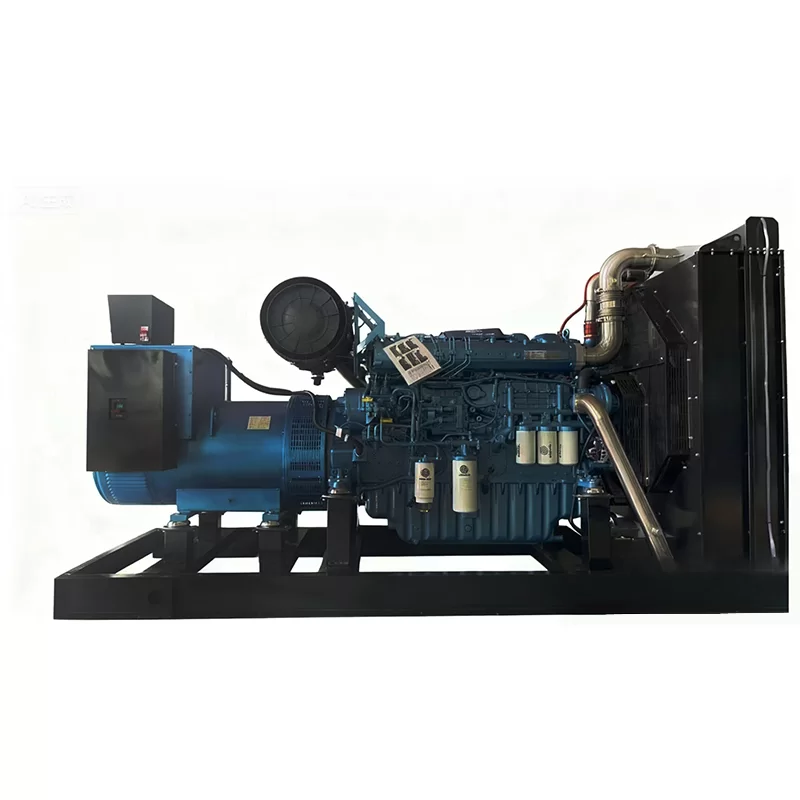
High-Performance 200-500KVA Diesel Generators

Silent Diesel Generator Factory in China | Top Performance Power Suppliers

Industrial Diesel Generator Factory in China | HighPerformance Power Suppliers

SCANIA Diesel Generator Factory and Suppliers in China | HighPerformance Power Systems
Expert Advice
Frequently Asked Questions
Technical guidance to help you choose the right power solution for your specific needs.
How do I determine the correct kVA rating for my business in Cambodia?
The correct rating depends on your total connected load and the starting current of your largest motor. Start by listing all equipment and their power requirements. For small commercial units, a 7kw generator may suffice, while industrial sites often require a 3 phase diesel generator to handle larger loads. It is recommended to add a 20% safety margin to avoid overloading the engine, which ensures longevity and fuel efficiency.
What are the main cost factors when investing in a diesel generator?
Investment costs include the initial purchase price, installation, and long-term operational expenses. Key variables are the engine brand, enclosure type (silent vs. open), and the quality of the alternator. While silent models have a higher upfront cost, they reduce regulatory risks in urban areas. Operational costs are driven by fuel consumption and maintenance intervals. Choosing a high-efficiency model can significantly lower the total cost of ownership over five years.
Can these generators handle the high heat and humidity of the Cambodian climate?
Yes, our generators are designed with tropicalization in mind. This includes oversized radiators for enhanced heat dissipation and anti-corrosive coatings on the chassis to resist humidity. These modifications prevent the engine from derating in high temperatures, ensuring that you get the full rated power even during the peak of the dry season, which is critical for maintaining consistent industrial output.
What is the difference between a prime power and a standby power rating?
Prime power is intended for use as the primary energy source in locations without a grid, allowing for unlimited hours of operation at a variable load. Standby power is designed for emergency use during grid failures, providing peak power for a limited duration. If your site in Cambodia has no grid access, you must select a generator based on its prime power rating to avoid premature engine wear and ensure operational stability.
How often should a diesel generator be serviced in a dusty environment?
In dusty construction or agricultural settings, air filters should be checked weekly and replaced more frequently than the standard manufacturer's interval. A full service, including oil and filter changes, is typically required every 250 to 500 operating hours. Regular maintenance prevents dust buildup in the combustion chamber, which is the leading cause of efficiency loss and engine failure in rural Cambodian deployments.
How do I choose between a single-phase and a 3-phase diesel generator?
Single-phase generators are suitable for small loads, residential use, and basic electronics. A 3 phase diesel generator is necessary for industrial applications, large air conditioning units, and heavy machinery, as it provides a more stable and efficient delivery of high power. If you are running a factory or a large commercial building in Cambodia, a 3-phase system is essential to balance the load across your electrical distribution board.
Secure Your Power
Ready to stabilize your energy infrastructure in Cambodia?
Whether you are managing a remote construction site or an urban facility, Jiangsu Kaichen provides the precision engineering needed to ensure your operations never stop. Our team is ready to help you select the optimal capacity and configuration for the local environment. Contact us today to discuss your specific power requirements and receive a professional technical consultation.
Discuss Your Requirements


